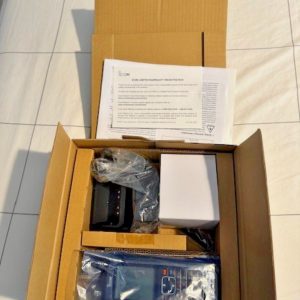
:::writingvariant="document" id="58314" ICOM IC-A25N Handheld NAV/COM Transceiver w/ Bluetooth – Open Box: Versatile Cockpit and Ground Communication The ICOM IC-A25N Handheld NAV/COM Transceiver w/ Bluetooth – Open Box is a versatile communication and navigation device for pilots, flight instructors, aircraft operators, aviation students, and ground personnel who require dependable portable radio capability. For budget-conscious pilots, an open-box radio may provide a practical balance between modern functionality, reliable construction, and competitive purchase value. An ICOM IC-A25N Handheld NAV can support pilots who need a portable radio for cockpit backup, preflight monitoring, flight training, and general aviation communication. An ICOM IC-A25N Aviation Radio can support communication between pilots, air traffic services, flight instructors, ground personnel, and other aviation users where authorized. A portable ICOM IC-A25N Handheld Radio supports flexible aviation operations because it can remain with the pilot rather than being permanently installed in one aircraft. As a Handheld NAV/COM Aviation Transceiver, the unit combines portable communication with navigation-related functions in one organized device. Whether the device will function as a Handheld Aviation Radio, Aviation NAV/COM Radio, Pilot Handheld Radio, or Aircraft Communication Radio, users should become familiar with its controls before relying on it. The handheld Aviation NAV/COM Radio format makes the unit relevant to buyers comparing Emergency Aviation Radio, Backup Aircraft Radio, ICOM Pilot Radio, and portable navigation communication equipment.
Overview of the ICOM IC-A25N Aviation Radio
The radio’s portable construction allows it to support aircraft operations before departure, during flight, after landing, or while personnel are working around the airport. A handheld NAV/COM platform can serve as primary portable equipment in suitable operations or as supplementary equipment alongside panel avionics. Users should understand that portable-radio coverage can differ from panel-mounted equipment connected to an external aircraft antenna. Pilots should test the radio during routine conditions and become familiar with its operation before expecting to use it during an urgent situation.Choosing the ICOM IC-A25N Handheld NAV
The ICOM IC-A25N Handheld NAV can support pilots who want portable access to aviation communication and navigation information during flight preparation or cockpit operations. Private pilots may carry the device during cross-country flights, aircraft repositioning, fly-ins, or travel in rented airplanes. Users should understand which functions are intended for reference, communication, navigation support, training, or emergency use. Pilots should avoid burying backup equipment under baggage where it cannot be reached quickly during flight.ICOM IC-A25N Aviation Radio Applications
Aviation professionals can carry the IC-A25N when moving between aircraft instead of depending entirely on equipment installed in one cockpit. Flight instructors can use the device as supplemental equipment during ground lessons, aircraft walkarounds, and selected training exercises. Current photographs should show the radio body, display, controls, connectors, antenna, battery, charger, packaging, and included components. An independent review may provide additional confidence when the radio cannot be examined in person.ICOM IC-A25N Handheld Radio Portability
The IC-A25N provides flexibility for aviation users who need one communication device across multiple locations and operational roles. Pilots should protect the radio with a suitable case or organized storage compartment to reduce the risk of impact, moisture, connector damage, or accidental control activation. Preflight preparation may include charging, accessory inspection, Bluetooth pairing, memory review, antenna attachment, and volume adjustment. The radio should be removed from environments where condensation, fuel, oil, cleaning products, or maintenance debris may cause damage.Handheld NAV/COM Aviation Transceiver Benefits
A Handheld NAV/COM Aviation Transceiver combines portable communication and navigation-related capability within one device, making it useful for pilots who value multifunction equipment. An open-box package may represent strong value when it includes the equipment required for immediate setup and normal use. Stored frequencies and settings should be reviewed periodically so outdated information does not create confusion. Any abnormal heat, charging issue, intermittent audio, damaged control, loose connector, or battery swelling should be investigated before further operation.Handheld Aviation Radio for General Aviation
General aviation users may carry a portable radio during training flights, cross-country operations, maintenance, aircraft repositioning, and airport events. Pilots should avoid assuming that an unused radio stored for years will operate correctly without battery care and periodic testing. Users may experience improved range when the antenna has a clear position compared with operation deep inside a metal airframe or enclosed structure. Responsible communication protects aviation operations and helps users gain the full value of a professional handheld radio.Aviation NAV/COM Radio Functions
The combined platform can be useful during training because students can explore aviation radio functions with one portable device. Important features should be practiced on the ground before the radio is used during high-workload phases of flight. Users should distinguish between convenience features, backup capability, training value, and equipment required for a particular flight. The antenna should be attached properly and protected from interference with controls or cockpit movement.Maintaining a Pilot Handheld Radio
Pilots may carry a handheld radio as part of a broader emergency kit that includes lights, power supplies, charts, tools, and survival equipment appropriate to the flight. The microphone, antenna, cables, headset adapters, and charger should be stored so they do not become tangled or damaged. Training may also include using the radio with gloves, in reduced light, with a headset, or in a noisy cockpit environment. Battery condition should be reassessed as the pack ages or shows reduced capacity, charging problems, unusual heat, or physical changes.Aircraft Communication Radio Benefits
Portable aircraft radios are useful when installed equipment is unavailable, an aircraft is unpowered, or personnel need communication away from the cockpit. Headset and Bluetooth accessories should be tested for microphone quality and audio clarity before operational use. Users should establish realistic expectations by testing the radio in normal conditions rather than assuming identical range to panel equipment. Users should stop relying on the unit if it displays intermittent function or unexplained shutdowns until the concern is resolved.Using a Portable Aviation Transceiver
A Portable Aviation Transceiver offers communication mobility for pilots and aviation professionals who are not always positioned inside a powered aircraft. A protective case can separate the radio from tools, keys, metal objects, liquids, and heavy equipment inside a flight bag. Users should understand how to disconnect or change the wireless connection if audio is routed incorrectly during operation. Bluetooth settings can be reviewed during preflight preparation and confirmed before the aircraft begins moving.Choosing an Aviation Communication Device
The ideal device balances functionality with an interface the user understands and can operate confidently. An open box may result from display, return, inspection, testing, damaged packaging, or another non-operational reason. Professional users may maintain records of radio assignment, charging, inspections, damage, accessory inventory, and battery replacement. A well-managed Aviation Communication Device can support efficient and dependable operations across many aviation roles.Handheld Aircraft Radio for Cockpit and Ground Use
A Handheld Aircraft Radio can provide useful communication capability both inside the cockpit and around the aircraft during maintenance, preflight, towing, fueling, or operational preparation. A handheld unit allows maintenance personnel to confirm communication-related information while aircraft power remains disconnected. The unit must remain accessible without forcing the pilot to look away from primary responsibilities for an extended period. Ramp and maintenance environments can expose portable electronics to contaminants that are less common in normal indoor storage.Choosing an Aviation Navigation Radio
An Aviation Navigation Radio can support pilot situational awareness by providing portable access to compatible navigation-related functions and information. Students should receive appropriate instruction so the device supports learning rather than creating misunderstanding or distraction. The device should become part of a layered navigation and communication strategy rather than the sole source of critical information. The manual and quick-reference information should be available until the pilot can use important functions confidently.Using an ICOM Pilot Radio
An ICOM Pilot Radio can appeal to aviation users who value an established communications manufacturer, aviation-focused controls, portable construction, and practical accessory support. Brand reputation should be considered alongside the condition and completeness of the specific unit being purchased. The correct purchasing decision reflects mission, budget, equipment condition, support needs, and actual operational preferences. Periodic practice ensures that the user remains confident with essential functions as time passes.Emergency Aviation Radio Benefits
An Emergency Aviation Radio can provide an additional communication option when installed aircraft equipment becomes unavailable because of electrical, equipment, or operational problems. A written quick-reference guide may help, but it should remain simple enough to use without creating distraction. Redundancy is strongest when the user has more than one practical method of hearing and transmitting with the device. Emergency equipment checks can be scheduled with annual inspections, proficiency reviews, seasonal preparation, or flight-bag audits.Maintaining a Backup Aircraft Radio
A Backup Aircraft Radio provides communication redundancy for pilots who want an alternative to the primary panel-mounted transceiver. Stored batteries can lose capacity, accessories can become misplaced, settings can change, and physical damage may go unnoticed. A dedicated flight-bag pocket, protective mount, or secured cockpit storage area may provide suitable access. The handheld radio should support safe aircraft management rather than draw attention away from immediate flight responsibilities.Buying an Open-Box ICOM IC-A25N
Connectors and charging contacts should appear clean, straight, secure, and free from corrosion or contamination. Buyers should ask whether the radio was displayed, returned, tested, paired, charged, transmitted with, or previously registered. Functional testing should include power-on behavior, charging, control response, display operation, speaker audio, microphone function where appropriately tested, and accessory recognition. The radio should be protected from impact, moisture, static, loose movement, and pressure during transportation.Protecting ICOM IC-A25N Reliability
A professional handheld transceiver should be managed as aviation equipment rather than treated like an ordinary consumer radio. Inspection frequency may need to increase when the device is shared, carried daily, used outdoors, exposed to maintenance environments, or stored in an aircraft.- Review the complete package and remove the radio from backup service if physical or electronic condition is uncertain.
- Confirm that paired accessories, headset connections, stored information, display settings, antenna attachment, and power level are suitable for the planned operation.
- Use a protective case or dedicated flight-bag compartment so the radio remains accessible, complete, and free from damage.